History and Evolution of Total Hip Arthroplasty
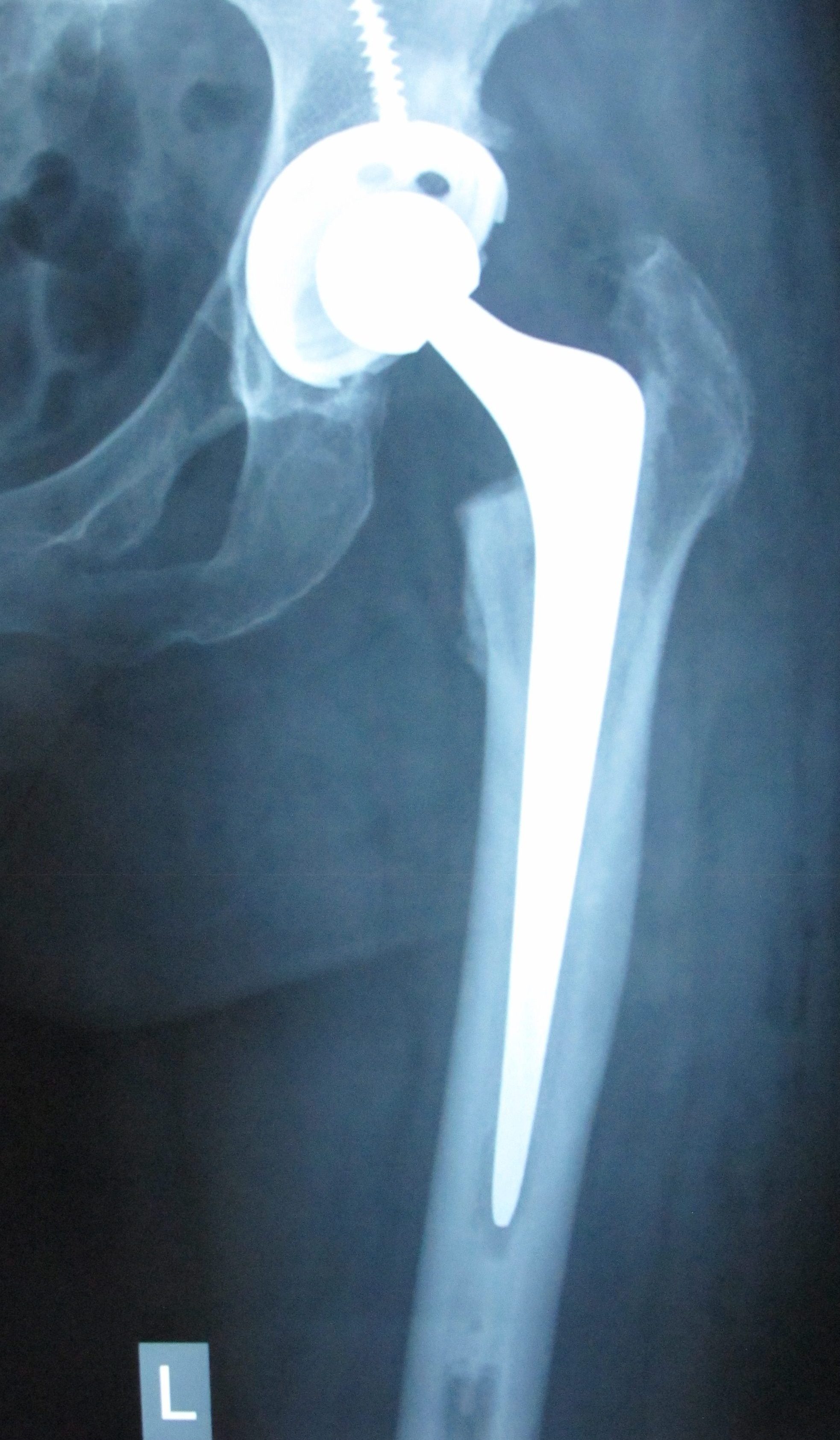
Total hip replacement is not a new method. The first to take place was in 1891 by Glouk. Later, in 1926, Hegrouse described the use of a total ivory arthroplasty. Various designs were later developed, using various materials, until the late 1950s when, the widely used metal head and plastic acetabulum were first introduced. Today most hip arthroplasties are of this design. The two parts of a total arthroplasty are the femoral implant (artificial prosthesis for the proximal femur) and the acetabular implant (artificial acetabulum of the hip). The rule for the femoral implant is to be made of metal (for example stainless steel, chromocobalt or titanium alloys) and for the acetabular implant to also be made of metal or polyethylene (plastic). Both strains have traditionally been placed using bone cement on the respective bones (this cement is called PMMA (polymethylmethacrylic acid)). Nowadays, prostheses have been designed for laying without the use of bone cement, with the aim of promoting the embedding of the bone on them. Some of these cement-free prostheses have been specially treated on their surface [either they have become more rough (e.g. porus coating, grit blasted), or have been coated with another material, such as hydroxyapatite] in order to promote this osseointegration. The end result is a solidly bonded prosthesis to the bone without the use of bone cement. Sometimes the combination of the two techniques is used, for example the use of cement in the femoral prosthesis, with an acetabular prosthesis without the use of cement (or vice versa, this technique is called hybrid). However, there is still a lot of controversy in the orthopedic community over the choice of the optimal way to fix arthroplasties.
Bone cement has been perceived by some as a difficulty factor in case of revision, because it is difficult to remove if necessary. However, this is not always true, as there are special tools to remove cement more easily: speed cutters, special light sources, ultrasounds, mechanical tools. As a result of the supposed difficulties in removing bone cement, younger patients who require total arthroplasty are usually offered arthroplasty without the use of bone cement, as they are more likely to need a revision operation at some point.
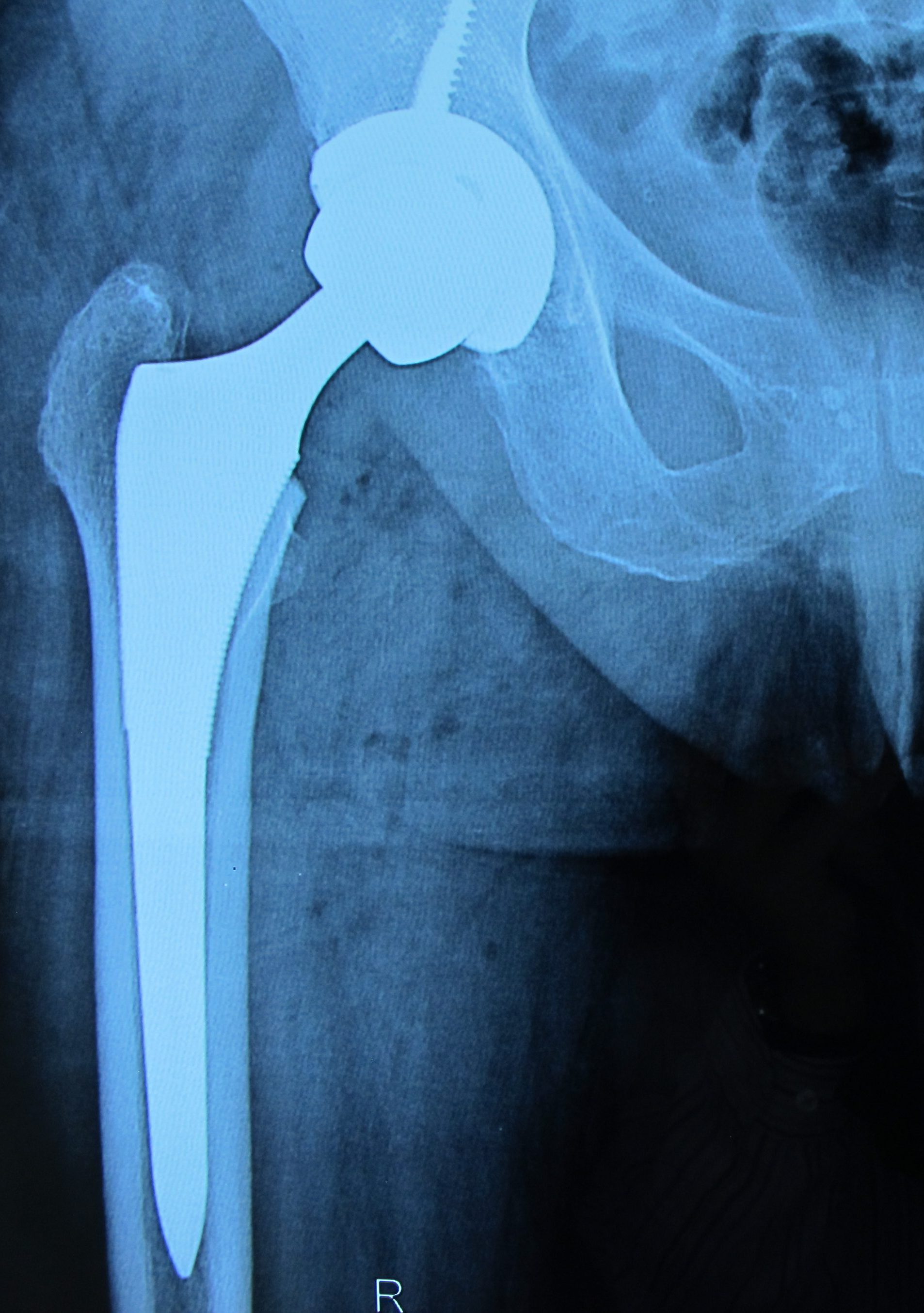
One way in which an arthroplasty can fail is as a result of the production of small pieces of polyethylene from the acetabular implant (wear products). Wear products can cause a low-grade (slow-progressing) inflammation that affects the bone, either the femur, the acetabulum, or both, and leads to bone loss (osteolysis). To minimize osteolysis, it has been suggested that the metal-to-plastic structure has high friction, and the use of other materials has been investigated. The use of ceramic in plastic has been tested for many years, as well as the use of ceramic in ceramic, while special plastic materials have been developed to increase strength and reduce friction even further. The metal-on-metal structure has also been used, with the femoral stem having a metal head and the acetabulum having no plastic at all and being made entirely of metal. This design is also used in modern hip surface arthroplasty anyway. Despite the wide variety of designs, a metal head and a plastic acetabulum (or plastic insert in a metal acetabulum) are still the most common combination of materials today (gold standard).

 Hip Osteoarthritis

 +30 210 7292002
 alilikakis@yahoo.com