Total Hip & Knee Arthroplasty for Rapid Recovery
Arthroplasty (i.e. the replacement with artificial materials) of the large joints – hip and knee – aims to treat catastrophic arthropathy of various etiology. From the first timid steps in the early 1970s, systematic research and clinical effort have contributed to the rehabilitation of disability with pain relief and the impressive improvement of the quality of life in a large number of patients worldwide.
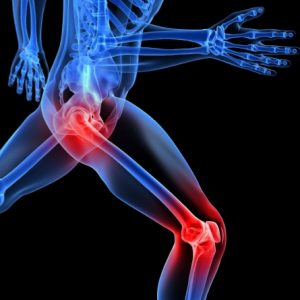
The modern interest of Orthopedics specialized in this field has focused on the realization of “Fast-track or “enhanced recovery”) for which there is already rich scientific documentation. This tactic ensures the combination of better anesthesia and analgesia, respect for the muscular system and surrounding tissues, immediate mobilization, and a quick return to normal everyday life.
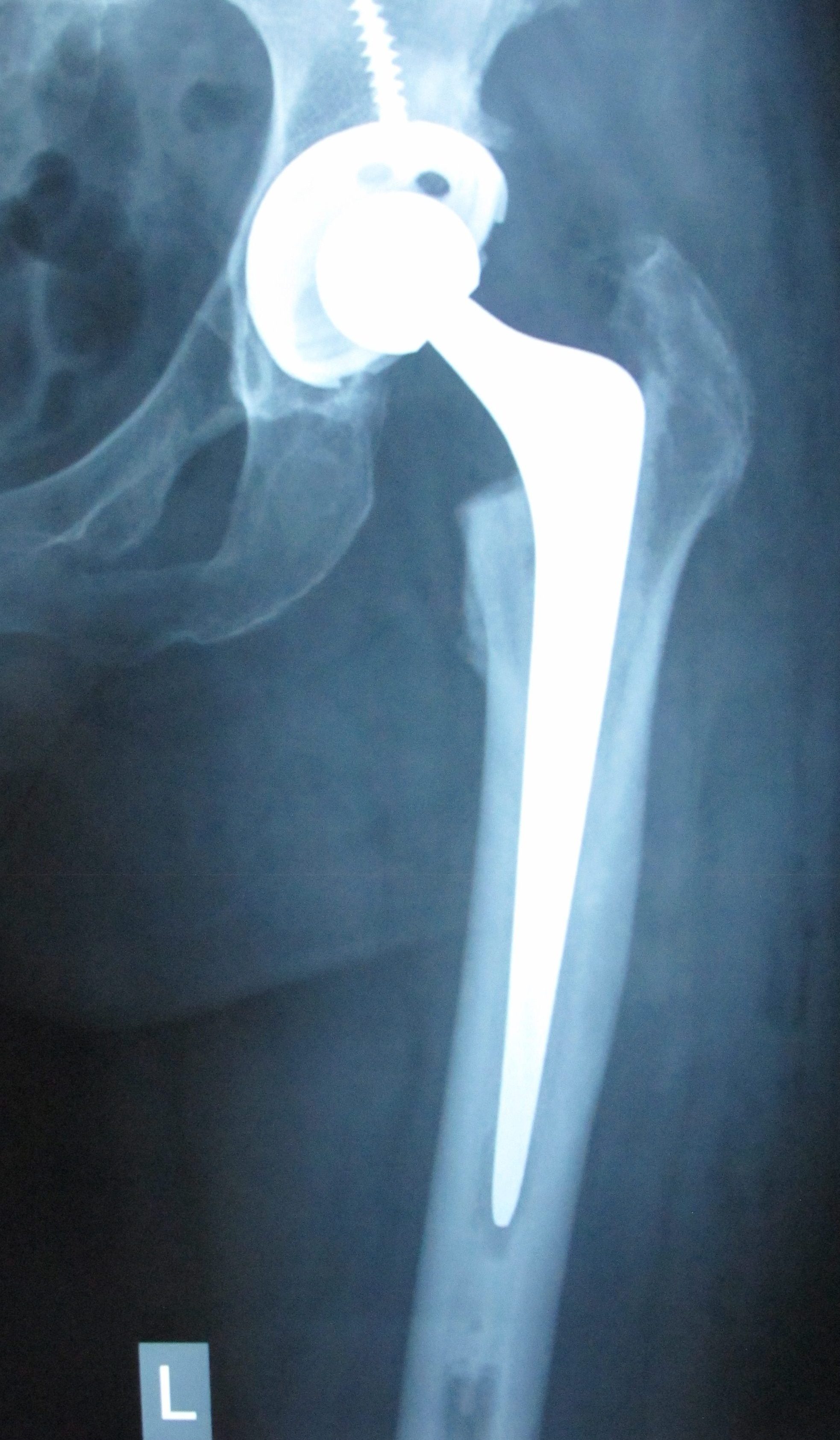
Rapid Repair Arthroplasty is a comprehensive-holistic treatment, and not just surgical manipulation of a specific joint. It begins with appropriate preparation (briefing – full medical check-up), focuses on the best possible anesthesiological and surgical technique, runs through the entire inpatient treatment and continues with specific instructions after discharge from the hospital. In other words, it is an application of good and complete medicine. The optimization of each individual element of perioperative care dramatically reduces hospitalization time, morbidity and prolonged recovery with obvious medical, psychological, and financial benefit.
The purely medical steps in Rapid Repair Arthroplasty are summarized as follows:
– In the safe and mild anesthesiological technique (usually regional).
– Optimal analgesia, (preventive and multimodal).
– In the surgical technique of minimal invasiveness with minimal muscle interventions and practical elimination of the need for blood transfusion.
– The use of the highest quality and most suitable materials for each patient.
– Faster recovery with early recovery and mobilization (usually from the day of surgery), walking and learning skills and discharge from the hospital on the2nd or3rd postoperative day.
This methodology is followed in the vast majority of patients and can be modified in patients with a history of severe heart or respiratory failure, morbid obesity, significant immunological, hematological or neuromuscular diseases and the absence of a satisfactory supportive environment at home.
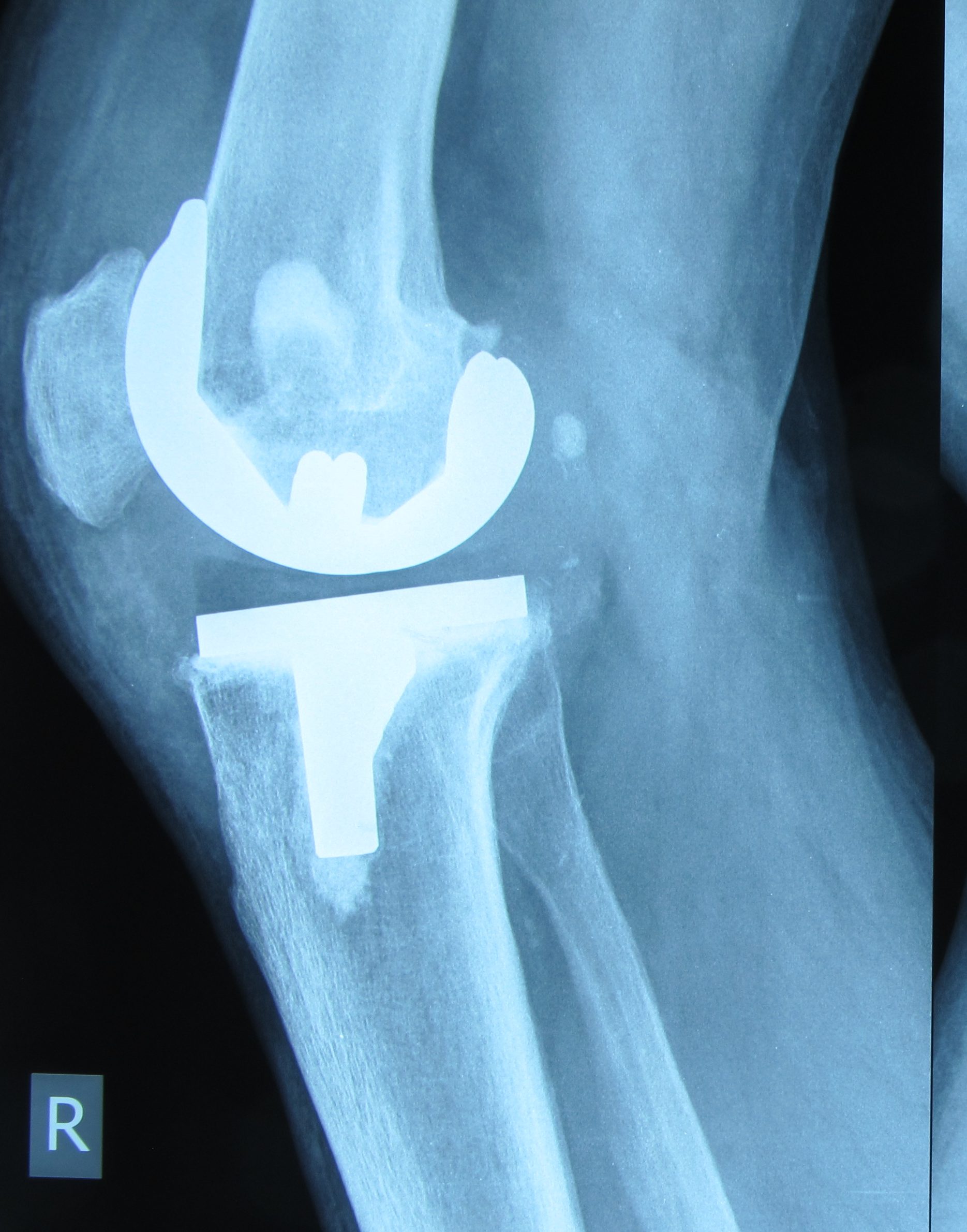
The patient is discharged if and as long as he meets specific criteria: pain controlled with oral medications, normal vital signs, normal feeding, satisfactory blood tests, independence in getting up and down the bed and in personal hygiene, walking short distances, initially, with a supportive means and the possibility of ascending – descending a ladder with little help.
By consistently and strictly following the above rules, an impressive reduction in the hospitalization time for total hip and knee arthroplasties (2 to 3 days) has been achieved in medical centers with fully specialized medical teams, internationally and in Greece, with prospects of a rapid return to normal daily life and most often the lifelong operation of the artificial joint. The future goal is to perform, under certain conditions, hip and knee arthroplasties on a daily hospitalization basis.

 Hip Osteoarthritis

 +30 210 7292002
 alilikakis@yahoo.com