Knee osteoarthritis

What is osteoarthritis?
Osteoarthritis is a condition that affects the joints of the body. The surface of the joint is destroyed, and the neighboring bone undergoes hardening. The term osteoarthritis is also used in the international literature (osteoarthritis) but comes from the Greek words bone and arthritis (“destruction and swelling of a joint”). When the joints are swollen (i.e. edematous) and damaged, they are painful and become difficult to move. Other words that are often used to describe osteoarthritis are simply “arthritis” and “degenerative arthritis“.
Anatomy of the knee
To understand how osteoarthritis develops, we need to know how a normal joint works. The joint is where two bones meet. Most of our joints are designed to allow bones to move in various directions. The knee is the largest joint in our body, and also one of the most complex because it performs many important tasks. It must be strong enough to support our weight and be able to “lock” in such a position that we can stand upright. But it must also act as a “hinge” so that we can walk. It must also be able to withstand heavy loads and rotational forces, such as when running or exercising.
Structure of the joint and the role of cartilage
The knee joint is where the femur meets the tibia , or in other words, it articulates with the tibia bone. The end of each bone is covered with cartilage, which has a soft, smooth and shiny surface. The cartilage allows the ends of the bones to move against each other with almost no friction. It also acts by absorbing shocks. The knee joint has two additional pieces of “cartilage” which (in addition to the other functions they perform) act as “shock absorbers” and absorb shocks, the meniscus.
The role of the synovial membrane and synovial bursa
The joint is surrounded by a membrane (hymen), which produces a small amount of a viscous fluid (synovial fluid). This fluid helps nourish the cartilage and keeps it shiny. The synovial membrane has an external resistant layer, which is called the synovial bursa and helps the joint to support it.
The patella and tendons of the knee
The patella is another important bone that is part of the knee joint. Also, the lower surface of the patella is covered with a thick layer of articular cartilage. The patella attaches to the muscles of the thigh with a very large tendon, the quadriceps tendon, and is attached to the tibia bone, just below the knee joint, through a very strong tendon, the patellar tendon.
Ligaments and joint stability
Tendons are strong elements of connective tissue, which attach the muscles to the bones on each side of the joint and carry the movement of the muscles. They also participate in keeping the joint in place. When a muscle contracts, then it shortens and the force is transferred to the tendon and it pulls the bone and causes the movement of the joint.
The knee joint is held in place by four large ligaments. Ligaments are thick, strong bundles, which are located in or around the synovial bursa. Along with it, ligaments prohibit the bones from moving in the wrong direction or undergoing dislocation. There are two ligaments inside the knee joint, the anterior and posterior cruciate ligament, and one ligament on each side, the medial and the outer, the two lateral ligaments. The muscles of the thigh (quadriceps, hamstrings, etc.) They also contribute to keeping the knee in place.
What is osteoarthritis of the knee?
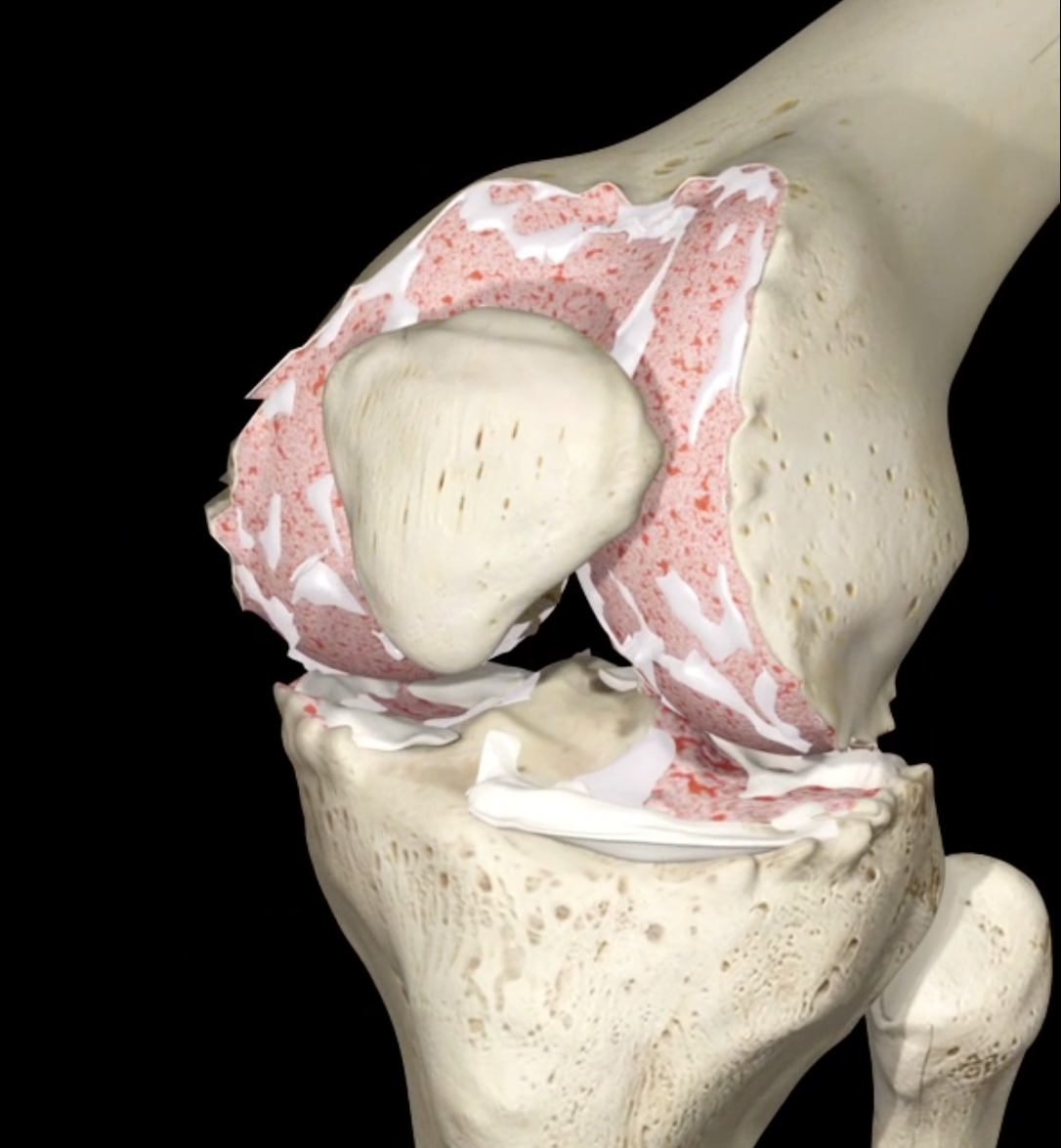
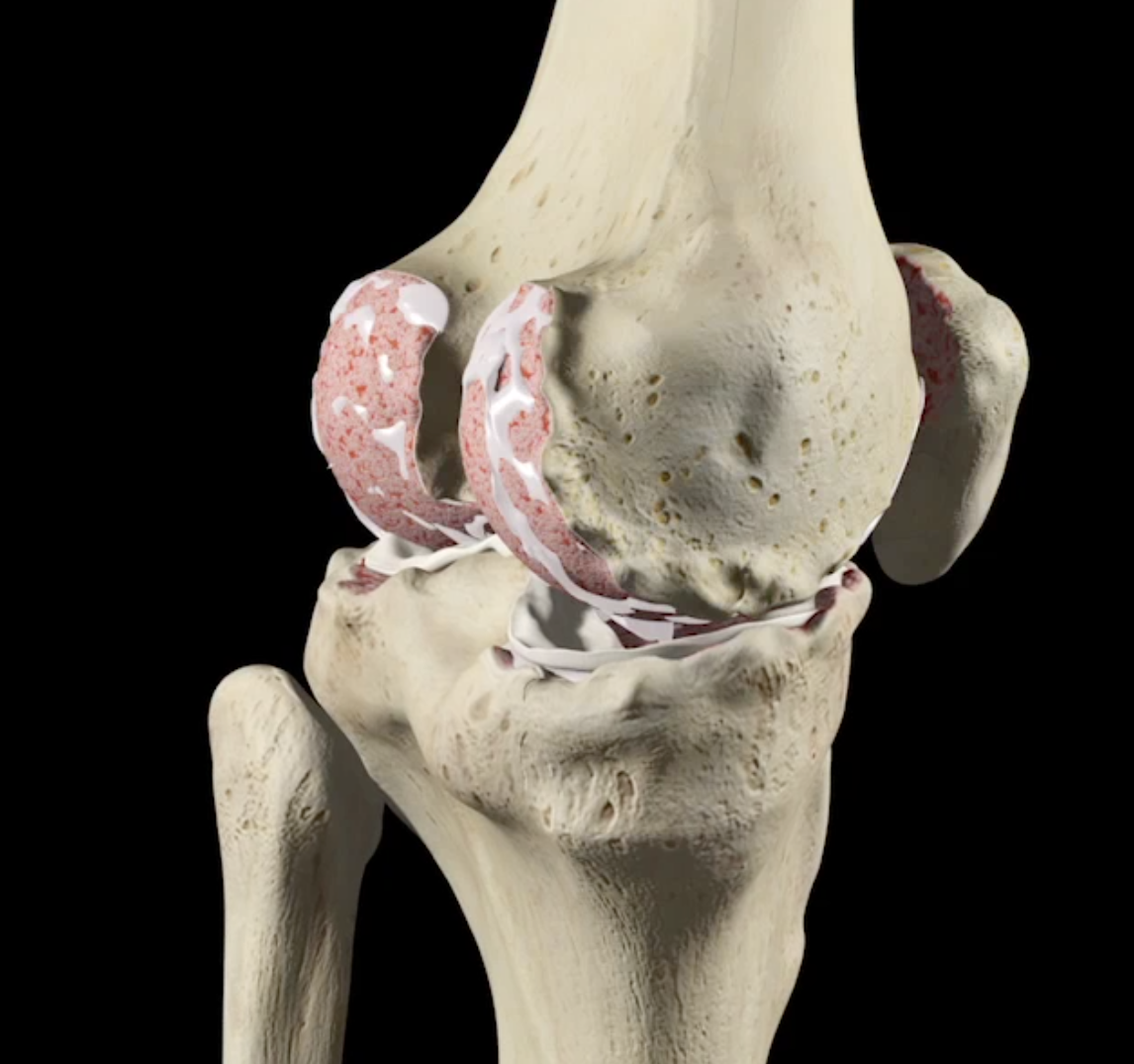
When a joint develops osteoarthritis, its cartilage progressively roughens and thins. This can occur on the surface of the main knee joint or even in the patellofemoral joint. The bone that is under the cartilage (subchondral bone) reacts by becoming thicker and harder. The bone at the ends of the joint is flattened and this creates the so-called osteophytes (“salts” in colloquial language). This change in the shape of the bone can occur both in the femur, tibia and patella.
The hymen swells and can produce more synovial fluid which then causes joint swelling, or hydroarthrosis (“knee fluid”). The bursa and ligaments gradually thicken and are in contraction, as if trying to keep the joint in its original shape. The muscles that move the joint gradually weaken and atrophy. This can make the knee joint unstable so that during walking the patient loses his balance and falls (or otherwise “his knee does not hold him”). However, this instability is also due to the loss of the smooth surface of the joint.
When we look at an osteoarthritic joint under the microscope, we see that the joint is trying to repair itself. All tissues are more active than usual and new tissue is produced in an attempt to correct the destruction. In some types of osteoarthritis, especially in the small joints of the fingers, the repair is successful. This explains why some people suffer from osteoarthritis, but have very few discomforts. Unfortunately, in osteoarthritis of the knee, the repair usually does not work and can then severely affect the joint making it painful and cumbersome.
How fast does knee osteoarthritis progress?
Osteoarthritis is a slow process, which develops over many years. In most cases, there are only minor changes and alterations, which affect only a small part of the joint. Sometimes, however, osteoarthritis can be very severe and extensive. In severe osteoarthritis, the articular cartilage can become so thin that it no longer covers the thickened hypochondrial bone. The bones then touch, rub against each other and begin to wear out. Cartilage loss, bone wear , and bone hyperplasia at the edges combine to change the shape of the joint. This shifts the bones from their normal position and causes deformity.
What causes osteoarthritis of the knee?
Knee osteoarthritis is twice as common in women as in men. It is mainly found in women over 50 years of age and is often associated with mild arthritis of the finger joints (which causes swelling called Heberdeen nodules). Knee osteoarthritis is common in people who are overweight. Being overweight also increases the chances that osteoarthritis will progress faster. Frequent subjecting of the joint to heavy loads can lead to osteoarthritis. For example , people who run, joke for long periods of time, have a slightly increased risk of knee osteoarthritis.
Knee injuries often lead to osteoarthritis in later life. A common cause is a ruptured meniscus, a common injury in footballers. An injured meniscus can lead to osteoarthritis in later life. In addition, we now know that total meniscus removal surgery significantly increases the risk of osteoarthritis.
Does knee osteoarthritis vary in different people?
Knee osteoarthritis affects different people in different ways. Some people have a problem with only one knee, while others have a problem with both. Pain is the main problem for some, while for others the main problem is difficulty walking. In some people, osteoarthritis can be stagnant for several years, while in some people it can get worse rapidly. Therefore, it is not useful to compare the experience of one person with another, as we cannot predict the outcome of osteoarthritis of the knee.
How do I know if I have osteoarthritis in the knee?
Patients with osteoarthritis of the knee usually complain that their knee hurts. It is also often stiff. It can be painful throughout the joint, at a certain point, or the pain gets worse after a certain activity. Usually, the pain subsides with rest. It is not common for pain to wake up the patient during the night, except in cases of advanced osteoarthritis. The joint may be stiff in the morning, after waking up, and for a short period after rest. Usually, walking for a few minutes improves stiffness.
The pain varies. There are “good” and “bad” days, or even more, “good” and “bad” months for no apparent reason. Changes in weather can cause differences in pain. For example, joints may hurt more before it rains.’ All joints have nerve endings, which are sensitiveto atmospheric pressure. Thus, a drop in it that is observed before the rain affects the pain. If arthritis progresses, mobility is limited. Walking short distances or climbing and descending stairs can become problematic. Sometimes the knee can “give way” due to atrophic thigh muscles or damaged ligaments.

How does the doctor diagnose osteoarthritis of the knee?
The doctor looks for the signs and symptoms mentioned above. When examining the joints, he can see the joint swelling, the crack and see the limitation of mobility. It also looks for sensitivity around the joint or the presence of a hydroparth.
The muscles of the thigh (quadriceps, hamstrings) are usually atrophied and weaker than normal. In cases of severe osteoarthritis of the knee, the knee joint acquires instability due to damaged ligaments.
Which tests confirm osteoarthritis?
There is no osteoarthritis-specific blood test, although some blood tests are used to investigate other types of arthritis. A simple X-ray is the most useful test to confirm osteoarthritis. It will usually show that the distance between the two bones has narrowed, as the cartilage has thinned, or it may show lesions in the bone such as salts, i.e. osteophytes. Calcifications are also visible on X-rays. Although X-rays help diagnosis, it cannot predict the severity of the symptoms. A “bad” X-ray with advanced osteoarthritis does not necessarily mean a lot of pain or disability.


How can osteoarthritis of the knee be treated?
The progression of osteoarthritis cannot be predicted and there is no cure for it. But there are many treatments. Treatments can help relieve pain, reduce stiffness , and slow down further damage to the joint.
Can medications help with knee osteoarthritis?
At present, there is no medication that demonstrably affects the progression of osteoarthritis, although glucosamine sulfate is widely used for this purpose. However, some medications can help arthritis symptoms. Painkillers, such as paracetamol, and anti-inflammatories can help with pain and stiffness. Anti-inflammatories usually help more than simple paracetamol, but they have more side effects and complications and are thereforenot recommended for long-term use. They also interact more often with other treatments that the patient may be taking. Sometimes, a topical injection of corticosteroid into a sensitive area around the knee or even inside the joint can help temporarily. Often, hyaluronic acid is injected, which works like “grease on the hinge” and which can also help, but with temporary results.
Can a surgery help with knee osteoarthritis?
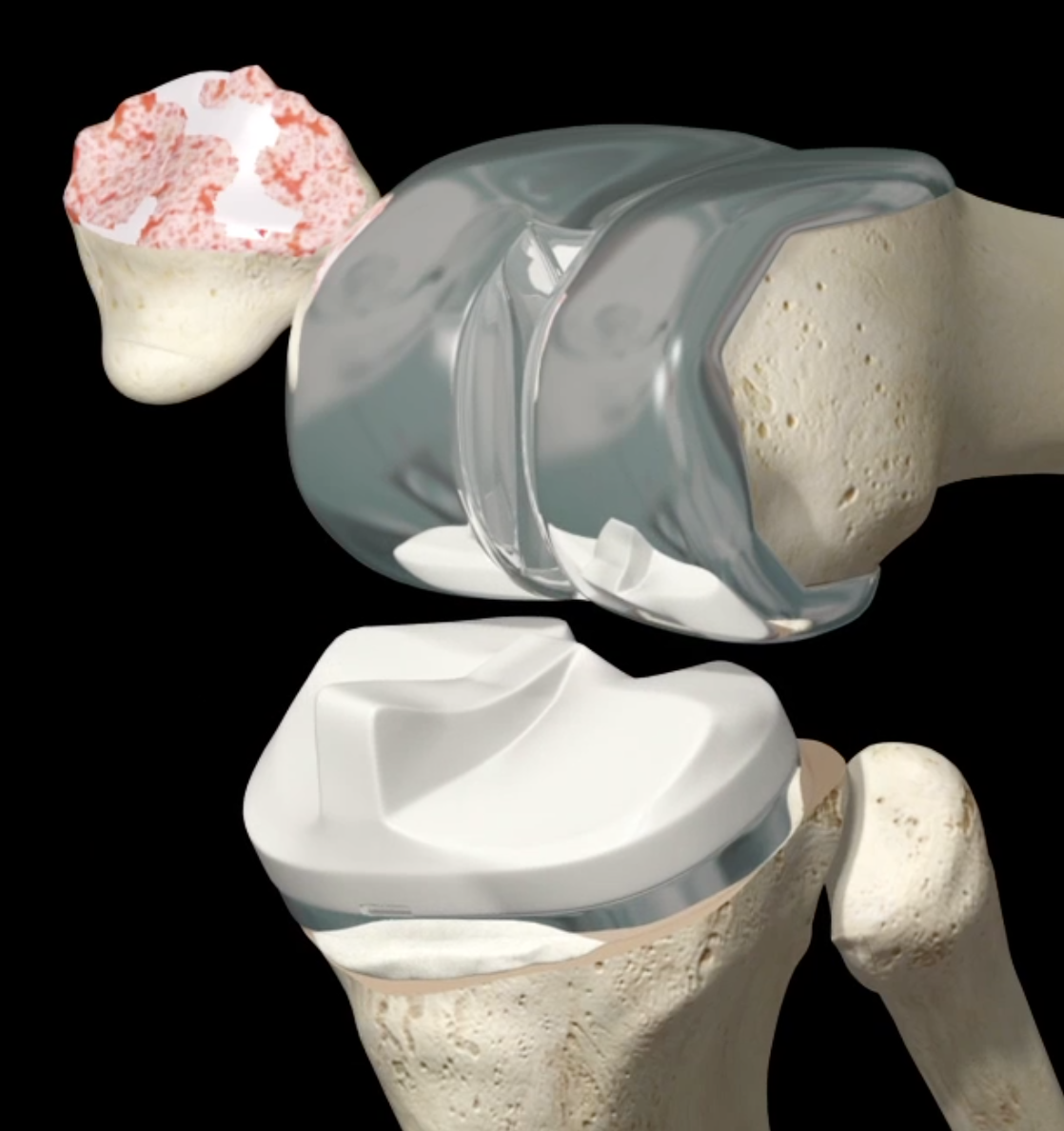
Arthroscopy of the knee can, by flushing and removing free cartilage bodies or parts of torn meniscus, help to temporarily remission the symptoms for another period of time. However, arthroscopy in cases of advanced osteoarthritis can only save time and is not a permanent cure. But it is a relatively small surgical procedure. The only permanent solution for osteoarthritis of the knee is total knee arthroplasty, which is the replacement of the joint with a metal prosthesis. It can be performed with various surgical techniques, which are selected depending on the age of the patient, the severity of the lesion, the anatomy of the knee and the technological capabilities of the doctor and the unit. The main techniques include:
- Robotic total knee arthroplasty
- Conventional total knee arthroplasty
- Minimally invasive total knee replacement
Are there other ways that can help with knee osteoarthritis?
Unfortunately there are no miracles for most patients with osteoarthritis: beware of “miracle cures” and “special diets”.
There are two ways you can help yourself:
1) Lose weight if you are overweight. Many people with osteoarthritis of the knee are overweight. Studies have shown that people who were able to lose weight had fewer problems with their knees than those who didn’t. There is no specific diet for osteoarthritis, but it is always good to eat a healthy diet that contains plenty of fruits and vegetables , and avoid high-calorie foods.
2) Quadriceps exercises. The quadriceps atrophies in patients with osteoarthritis of the knee, because the nerve stimulus in the muscles decreases. To circumvent this problem, it is essential to do quadriceps exercises as often as possible. It has been shown that strengthening muscles not only improves mobility but also reduces pain.
What exercises are best for knee osteoarthritis?
1) Exercises to lift a stretched leg from a sitting position. The most important thing is to choose exercises that you can do regularly. The simplest is from the sitting position and try to make it a habit: sit well back in the chair with good posture, stretch and raise the leg, keep it elevated counting to ten, then lower it slowly. Repeat this exercise several times , at least twotimes for each leg. If you can do it easily, repeat the exercises with a light weight on the ankle.
2) Lifting a stretched leg from the supine position. With one leg bent at the knee, keep the other leg stretched high, just above bed level. Hold it for a few seconds, then lower it. Repeat 5 (five) times for each strand every morning and evening.
3) Muscle stretching. At least once a day, at bedtime, do the following exercise: first place a rolled towel under your ankle, then bend the other leg at the knee. On the leg to be exercised, use your muscles to press the back of the knee (the chin) with force towards the bed. Hold it forcefully, counting to five (5). Repeat five (5) times for each leg. This exercise not only helps strengthen the quadriceps, but also helps the knees from suffering permanent contraction.
4) Tightening exercises during the day. You get used to tightening and relaxing your quadriceps. With their constant stimulation they become stronger.
What else can I do?
There are several practices that you can adopt:
1) Make sure you don’t keep your knees bent in the same position for long periods. For example, do not place pillows under your knees during the night. This can ease your pain for some time, but if you do it regularly, it affects the muscles and causes permanent stiffness. If the pain is severe, always try to stretch your knees several times during the day
2) Wear footwear with a thick and soft sole so that it acts as a shock absorber for the knee.
3) Try to use your knee, but also rest it when it becomes painful.
4) Use a stick – bacteria to unload the joint, if necessary. However, try to mobilize as much as you can.
5) Use the handrail as a support when going up and down the ladder. You climb the stairs one by one, with the good foot first, and go down the stairs with the arthritic foot first.
6) Keep the knee warm. Relieves pain and stiffness. Hot baths or hot tubs can also help.
Are there any possible complications from osteoarthritis of the knee?
Rapid deterioration: it is more likely to occur in elderly patients with severe osteoarthritis. The pain, with a simultaneous decrease in mobility, can increase within a few weeks or months. Nevertheless, this rapid deterioration is relatively rare.
Instability: if the ligaments are damaged or the muscles have atrophied, the joint may not be stable when loading. To avoid this, you need to make sure you have a good muscular system.
Sudden flare-ups of pain: it is quite common to have mild flare-ups. Sometimes, however, these can be more severe and last longer. It may be accompanied by significant hydroarthrosis, and the doctor may decide to aspirate the fluid and inject corticosteroids at the same time to avoid a new episode.

Questions and answers about knee osteoarthritis
1. Can a special diet help?
There has been extensive research on diet/nutrition and osteoarthritis, however there is no documented information that any particular food, vitamin or dietary supplement can actually help.
2. Does rest or exercise help with knee osteoarthritis?
The joints do not wear out with normal use. As a general rule, we can say that it is much better to use them than not to use them! However, there should be a golden mean between excessive activity and excessive rest – inactivity. Most osteoarthritis patients find that too much exercise makes their pain worse, while their joints become stiff if left unused for too long.
For most people with osteoarthritis the best advice is little and often: a little rest followed by a little exercise. For example, do household or garden chores with short breaks. Avoid sitting in the same position for too long. A long car trip is interrupted by several stops. Activities that cause a lot of pain should be avoided and, if for some special reason you have a lot of activities, it is good to take a painkiller beforehand. Don’t worry if it causes pain. You can’t cause more damage to the joint.
3. Can swimming or hydrotherapy help with knee osteoarthritis?
Swimming is a great way to exercise, as it causes minimal pain. Water supports body weight so that some force is applied to the joints as you exercise. Warm water relaxes and soothes muscles and joints , allowing for easier movement.
Hydrotherapy pool exercises can help muscles and joints work better without unnecessary pain. Supervised balneotherapy is an ancient treatment, but it is more exercise that helps than the healing properties of the water itself.
4. Does the weather really affect osteoarthritis?
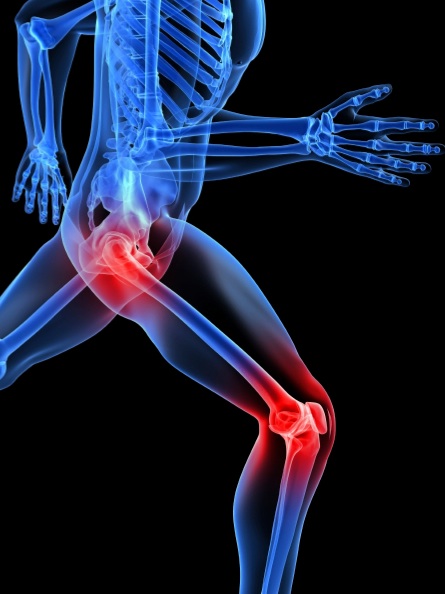
As mentioned above, painful joints are often sensitive to weather changes. They usually get worse when atmospheric pressure drops, such as before it rains.
Despite this, there is no evidence that climate has long-term effects on osteoarthritis or its outcome. The weather may temporarily affect the symptoms but not the disease itself. It therefore makes no sense to relocate to an area with a different climate in the hope that it will cure osteoarthritis. Osteoarthritis is found all over the world and in all types of climate.
5. Can heat help?
Hot or cold compresses placed on the affected area often relieve pain and stiffness (some patients are relieved with hot ones and others with cold ones). The use of plasters should prevent burns. There are ointments that have similar effects and which can help relieve it. It must be made clear and understood that these treatments are purely palliative and do not have long-term effects. When used with caution they are safe and soothing.

6. Who should I hear about knee osteoarthritis?
Many people may offer their advice in good faith. Magazines and the media are full of articles about arthritis and its treatment. Some offer new hopes, some offer special diets or special drugs with miraculous results. Unfortunately, there are neither miracle cures nor miraculous results. It would be best to discuss your problem with your doctor.
7. How important is it to keep my mood good?
Depression, low morale , and poor sleep can all make pain worse because they reduce tolerance to it. If you are depressed, you feel more pain. You may visit your doctor and take larger doses of pain relievers, but sometimes what is really needed is help for depression and not for arthritis. So, treat depression and the pain becomes milder. Try to find things to engage in, such as hobbies and interests, that will distract you from your problems. Sleep is important. It is good not to take short naps during the day, but to get a good night’s sleep, even if you need to take a painkiller before bedtime.
Osteoarthritis of the knee is a degenerative disease with significant effects on the quality of life. In terms of treatment, there are multiple interventions, both pharmaceutical and conservative and surgical, that can provide substantial relief and improve functionality.
Orthopedic Surgeon Anastasios Lilikakis is the Director of the Third Orthopaedic Clinic at the Athens Euroclinic and the President of the Department of Hip & Knee Reconstructive Surgery of EEHOT for 2025-2026. With many years of experience in the treatment of degenerative diseases of the knee, she specializes in total arthroplasty using modern techniques, such as minimally invasive and robotic-assisted surgery. Always focusing on the patient, it formulates personalized treatment plans aimed at restoring the quality of life of each patient and the rapid and painless return to daily activities. If you experience knee pain or stiffness, please contact us for a specialized assessment and appropriate treatment guidance.

 Hip Osteoarthritis

 +30 210 7292002
 alilikakis@yahoo.com