Robotic Hip Arthroplasty
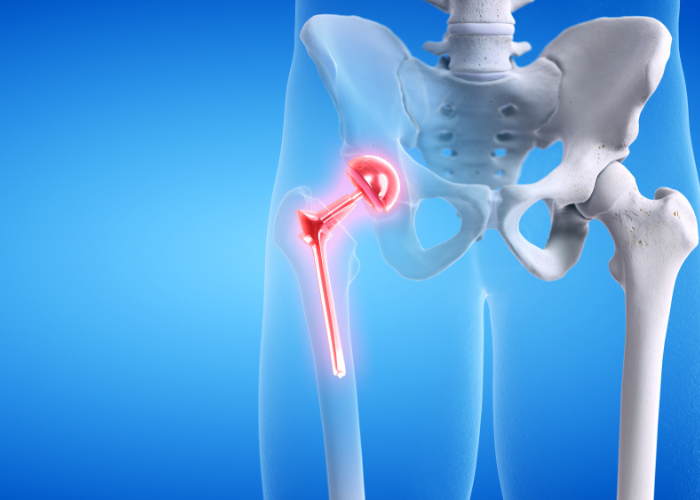
Total hip arthroplasty is one of the most successful surgeries that have relieved millions of patients worldwide. It has even been described as “the operation of the20th century” due to its effectiveness in improving the quality of life of patients. In total arthroplasty or hip replacement, the damaged hip joint is replaced with artificial implants – prostheses, in order to relieve pain and restore the patient’s functionality. Robotic hip arthroplasty is a modern development of this procedure, offering greater precision and better results.
In which cases is robotic hip arthroplasty indicated?
Robotic hip arthroplasty is essentially an improvement of the classic operation. This improvement is achieved with the help of modern technology and therefore, its indications are the same as those of conventional total hip arthroplasty:
- Osteoarthritis
- Rheumatoid arthritis or other inflammatory arthropathies
- Post-traumatic arthritis
- Aseptic necrosis of the femoral head
- Subhead hip fractures that need to be treated with arthroplasty
- And all those cases that require total hip arthroplasty.
Robotic arthroplasty is currently not used in the revision of hip arthroplasty, i.e. when a hip that has already undergone arthroplasty is needed for any reason.
Preparation before surgery
The success of a total hip replacement depends largely on the surgeon’s careful preparation before surgery. This is even more true in the case of robotic arthroplasty. The procedure involves several stages, aiming for optimal surgical precision and personalization of the approach to the patient. In particular, the preparation initially includes a clinical examination and the evaluation of the patient’s medical history in combination with laboratory testing, such as blood tests and x-rays. Then, depending on the robotic system used, specialized tests, such as CT or MRI, may be needed. These help to create a personalized preoperative plan, based on the anatomy and needs of each patient. There are robotic systems that do not use preoperative examinations, but real time data. Thanks to robotic technology, a three-dimensional model is created, which allows for more precise planning of the operation. In addition, it allows the surgeon to achieve ideal placement of the implants with minimal intervention in the surrounding tissues. The final stage of preparation is informing the patient about the procedure, post-operative care, and possible complications.
Robotic hip arthroplasty procedure
During the operation, the surgeon uses robotic assistance initially to remove the worn parts of the joint and prepare the acetabulum and lumen of the femur with special tools. The robotic system offers real-time data on both these processes and the placement of the implants, i.e. the metal acetabulum and the femoral spine. This ensures the greatest possible accuracy in positioning and achieves better alignment and stability of the new joint. In other words, with the help of technology, the likelihood of discrepancies and errors is significantly reduced, which is often associated with traditional techniques.
What is the recovery time after robotic hip arthroplasty?
Modern robotic hip arthroplasty is combined with fast-track protocols, which aim at the immediate mobilization and faster recovery of patients. The combination of minimally invasive surgical techniques, optimal anesthesia and peri-invasive analgesia reduces:
- blood loss,
- postoperative pain
- the side effects of anesthesia
- the duration of hospitalization
As a result, the fastest and most complete recovery of the patient is achieved. Particular emphasis is placed on enhancing the patient’s autonomy by mobilizing within a few hours after the operation. Compared to traditional hip arthroplasty, the hospitalization time is reduced to one day, while in cases where it is deemed feasible, the patient is hospitalized for only a few hours.
The preoperative preparation of the patient and the cooperation of a surgeon, anesthesiologist and physiotherapist are key to success. With the appropriate exercise program, the patient quickly returns to his daily life and in combination with the excellent placement of the implants in which robotic technology assists, the longevity of the artificial joint is ensured.


What are the advantages of robotic hip arthroplasty?
Compared to traditional hip arthroplasty, robotic arthroplasty offers a number of significant advantages , including:
- High precision: Implant placement is done with maximum precision, improving function and increasing their lifespan.
- Personalization: The surgical technique is fully adapted to the patient’s anatomy.
- Reduced Tissue Injury: The minimally invasive approach keeps the healthy tissues around the joint intact.
- Less pain: Less tissue damage reduces postoperative pain.
- Faster recovery: Patients return to their daily activities faster.
- Reduced Risk of Complications: Precise implant placement reduces the risk of complications, such as dislocation or leg misalignment.
Robotic hip arthroplasty offers an innovative and safe solution for patients with hip conditions. Its precision, personalization, and faster recovery make it the ideal choice for those who want a better quality of life after surgery. Both the specialization and the familiarity of the Orthopedic Surgeon with the robotic system play a decisive role in its success. Orthopedic Surgeon Anastasios Lilikakishas specialized in hip reconstruction by applying modern and minimally invasive arthroplasty methods and rapid recovery protocols. If you are experiencing problems with the hip joint, contact us to receive personalized diagnosis and treatment.

 Hip Osteoarthritis

 +30 210 7292002
 alilikakis@yahoo.com